
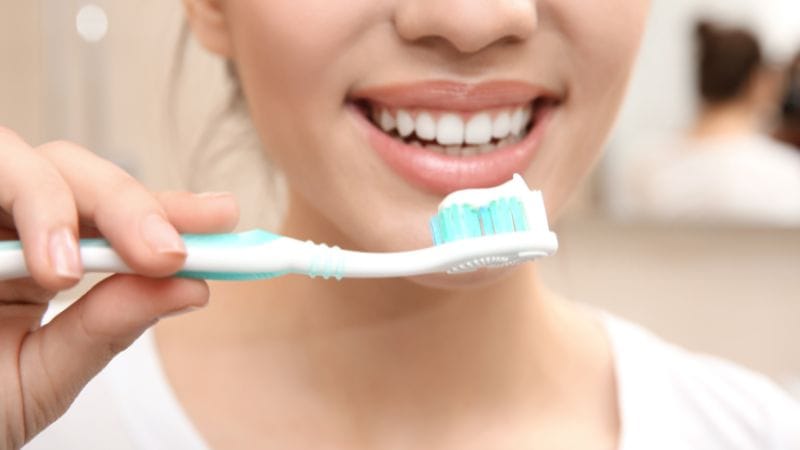
Tooth Brushing Advice from Torrington Dental
Do you know how to brush your teeth properly?
At Torrington Dental Practice, we know that good brushing habits go far beyond keeping your teeth clean. They play a vital role in maintaining your oral health and ensuring the long-term success of treatments such as implants, crowns, and bridges.
Here we share our top tips on how to brush your teeth properly — and why technique really does matter.
How Brushing Techniques Improve Treatment Success
Brushing your teeth well helps reduce plaque, protect gums, and prevent issues that can compromise dental work. Many problems with restorations or implants begin with poor brushing habits, often because people brush too hard, not long enough, or miss key areas.

When done correctly, brushing can:
- Reduce the risk of gum disease.
- Prevent decay and inflammation around dental work.
- Support healing after dental treatment.
- Help dental restorations last longer.
Now is the perfect time to assess your technique and ensure your daily brushing is truly protecting your smile.
Brushing Techniques for Implants and Restorations
If you have dental implants or other restorative treatments, brushing becomes even more critical. These areas require specific care to prevent bacterial build-up and inflammation.

Here’s how to brush effectively:
- Use a soft-bristled manual or electric toothbrush.
- Hold it at a 45-degree angle to the gumline.
- Use gentle circular motions around implants or crown margins.
- Clean between teeth using floss or interdental brushes
Learning how to brush your teeth properly with dental work in mind reduces the risk of complications like peri-implantitis and ensures your restorations stay in excellent condition.
The Importance of Non-Abrasive Toothpaste
Toothpaste plays a key role in how well you clean your teeth. Many whitening or heavily marketed toothpastes contain abrasive particles that can scratch enamel or damage dental restorations.
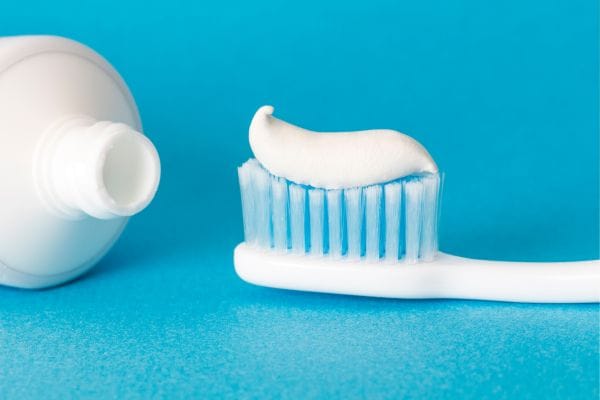
If you have sensitive teeth, veneers, crowns, or implants, always choose a non-abrasive fluoride toothpaste.
These are specially formulated to protect the surfaces of your teeth and dental work while still removing plaque effectively.
If you’re unsure which products are best suited for you, our team can recommend options tailored to your specific needs.
How To Brush Your Teeth to Reduce Plaque for Long-Term Implant Success
Plaque forms every day, and if not removed properly, it can lead to a build-up, gum inflammation, and bone loss, particularly around dental implants.
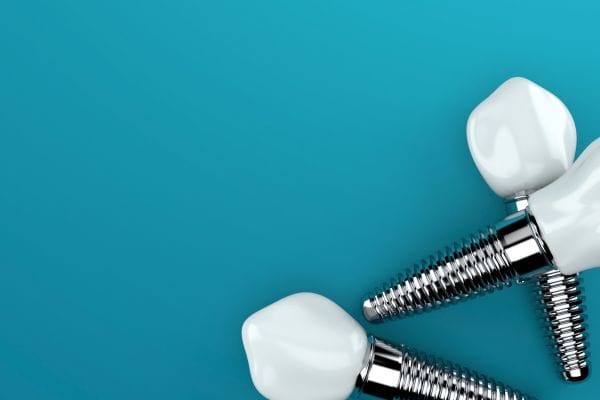
By brushing thoroughly and consistently, you help:
- Prevent plaque from hardening into calculus.
- Protect the soft tissue around implants.
- Maintain healthy bone levels.
- Avoid infection and treatment failure.
Brushing well is one of the most effective ways to preserve your investment in dental treatment and protect your long-term oral health.
Book a Hygiene Appointment to Learn How To Brush Your Teeth
If you’re unsure whether you’re brushing correctly or you’ve recently had dental work, now is a great time to refresh your approach.
At Torrington Dental Practice, our dental team can demonstrate proper toothbrushing techniques, recommend the best tools, and provide personalised advice tailored to your individual needs.
A few minutes of proper brushing each day can make a lifetime of difference. Take a moment to check your habits and make sure you’re giving your smile the care it deserves.
Read related articles

Mouth Cancer Awareness Month 2024 – How To Do A Self-Check
Mouth Cancer Awareness Month is an opportunity to remind everyone about the importance of early detection. View and download our checklist

Travelling abroad for dental implants
Are you thinking of travelling abroad for dental implants? Before you book your flight, take a look at the risks and avoid making an expensive mistake.

How to protect your children’s teeth
Did you know that a safe and painless treatment is available free of charge on the NHS that can help protect your children’s teeth? Read on and find out more.


