

New Year, New Smile: Your Complete Guide to Teeth Whitening in 2026
There’s something about the start of a new year that makes us want to refresh and renew. Whilst gym memberships and healthy eating plans top most resolution lists, an increasing number of people are turning their attention to their smiles. If you’ve been considering professional teeth whitening treatment, January might be the perfect time to take the plunge.
Why do people get their teeth whitened in January?
After weeks of Christmas parties, family gatherings, and countless photographs, many of us become acutely aware of how our teeth look. Those holiday snaps have a way of highlighting things we’d rather not see – including teeth that aren’t quite as white as we’d like. It’s no coincidence that enquiries about teeth whitening typically surge in the first few weeks of the year.
But beyond the post-Christmas motivation, there’s actually sound reasoning behind choosing January for cosmetic dental treatments. The new year, being free of the social commitments of the festive season, makes it easier to keep any necessary follow-up appointments and maintain the aftercare routine that professional whitening requires.
What causes teeth to become discoloured?
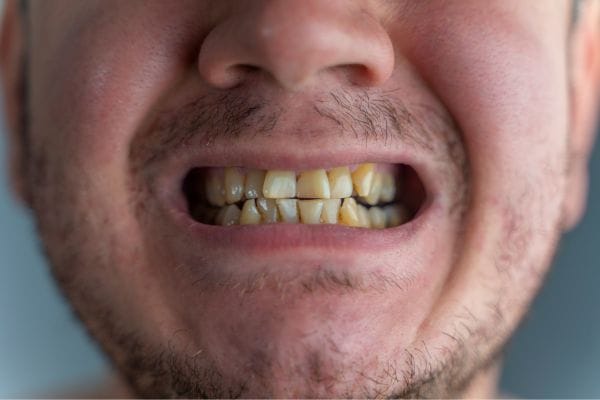
Before diving into whitening options, it’s worth understanding why teeth become discoloured in the first place. Tooth discolouration falls into two main categories: extrinsic and intrinsic staining.
Extrinsic staining affects the outer layer of your tooth (enamel) and is typically caused by what you consume. Certain drinks, including tea, coffee, and red wine, as well as certain foods, contain chromogens – pigmented molecules that bind to tooth enamel. Smoking and tobacco use also cause significant surface staining. The good news is that extrinsic stains generally respond well to whitening treatments.
Intrinsic discolouration occurs within the tooth structure itself. It can result from factors such as certain medications taken during tooth development, excessive fluoride exposure during childhood, or tooth trauma. Intrinsic stains are more challenging to address than extrinsic stains and sometimes require alternative cosmetic approaches beyond standard whitening.
As we age, our teeth naturally become darker. The enamel wears thinner over time, allowing the yellowish dentine beneath to show through more prominently. Tooth discolouration is entirely normal, though understandably something many people wish to address.

How effective is a professional teeth whitening treatment?
Teeth whitening is one of the most popular cosmetic dental procedures available. When performed by a qualified dentist, it’s safe, effective, and can produce dramatic results. However, it’s important to have realistic expectations.
A professional teeth whitening treatment can typically lighten teeth by several shades – often making a noticeable difference in your appearance. The exact results depend on your starting shade, the type of staining present, and how your teeth respond to treatment.
What professional whitening cannot do is turn naturally yellow or grey-toned teeth blindingly white, nor can it change the colour of existing dental work such as crowns, veneers, or fillings. If you have visible restorations, particularly on your front teeth, this is something to discuss with your dentist before proceeding, as you may need to replace them after whitening to match your new shade.

Why should I avoid illegal teeth whitening treatments?
A recent BBC investigation has exposed a deeply concerning trend that everyone considering teeth whitening needs to know about. The investigation found illegal teeth-whitening treatments being sold in car parks, on doorsteps, and through social media, with some gels containing more than 500 times the legal limit for bleaching agents in over-the-counter products.
Laboratory tests on products sold to undercover BBC reporters showed hydrogen peroxide levels of up to 53% – far exceeding what’s safe or legal. To put this in perspective, in the UK, only registered dental professionals can legally administer products containing more than 0.1% hydrogen peroxide, and even dentists are limited to a maximum concentration of 6%.
The consequences of these illegal treatments can be devastating. One woman lost four teeth after paying £65 for a whitening treatment at a beauty salon, experiencing severe pain as the gel caused irreparable damage to her gums. It took her years and tens of thousands of pounds to repair some of the damage, and she described how it destroyed her confidence.
The BBC’s undercover reporter obtained a fraudulent teeth-whitening qualification and was advised to “practise on friends and family” – a shocking revelation that highlights how easily unqualified individuals can access and distribute dangerous products.
The British Dental Association described these findings as “appalling” and warned that unregulated whitening can cause excruciating pain, burnt lips and gums, nerve damage, and even tooth loss. This isn’t about being overly cautious – it’s about protecting yourself from genuine harm.
Is a professional teeth whitening treatment really better than at-home kits?
Visit the supermarket or do an online search, and you will find countless whitening toothpastes, strips, and gels, all claiming they’ll transform your smile. So why bother with a dentist?
The difference comes down to what’s actually legal and effective in the UK. Dental professionals are the only people allowed to provide teeth whitening products containing more than 0.1% hydrogen peroxide – and that tiny percentage matters enormously. Those shop-bought kits might remove a bit of surface staining if you’re lucky, but they won’t genuinely change your tooth colour. They simply can’t, because the active ingredient concentration is too low to penetrate the enamel properly.
Whitening agents are powerful chemicals. Used incorrectly or at inappropriate concentrations, they can burn soft tissue, damage gums, and cause lasting sensitivity problems. When you see a dentist first, they’ll check whether whitening is even suitable for you – something a box on a shelf obviously can’t do. They’ll spot potential problems like untreated decay or gum disease that need addressing before any cosmetic work begins.
Over-the-counter products available in shops contain such low concentrations of active ingredients that, whilst safe, they produce minimal results. Some may remove surface stains to a degree, but they won’t change your underlying tooth colour. The peroxide-free whitening strips and LED light kits flooding the market rely primarily on abrasive action rather than chemical whitening, which can damage enamel with prolonged use.
Social media trends promoting DIY whitening remedies – from charcoal powder to baking soda paste – are particularly concerning. Not only are these methods ineffective at truly whitening teeth, but they can also be actively harmful, stripping away enamel through excessive abrasion.
Professional teeth whitening treatment involves the use of custom-fitted trays specifically designed for you. Having custom-fitted trays, rather than over-the-counter trays, ensures even coverage and protects your gums. These trays also control the concentrations of whitening gel. Your dentist will provide proper supervision to monitor progress and manage any side effects. Having treatment from a qualified professional gives the peace of mind that an over-the-counter kit cannot possibly provide.
If you’re approached by anyone offering teeth whitening services outside of a registered dental practice – whether through social media, at a beauty salon, or in a car park – walk away. The risks aren’t worth it, no matter how attractive the price might seem.
What does professional teeth whitening treatment involve?
Many patients do not realise how straightforward professional teeth whitening treatment actually is. The process starts with a dental examination, which thoroughly assesses whether your teeth and gums are suitable for treatment. This step is crucial – whitening shouldn’t proceed if you have untreated decay, gum disease, or other dental issues that need to be addressed first.
Most dentists offer home whitening kits as the primary option. Your dentist will create custom-fitted trays after taking impressions of your teeth. Once your trays are ready, you’ll receive whitening gel and clear instructions on how to use it.
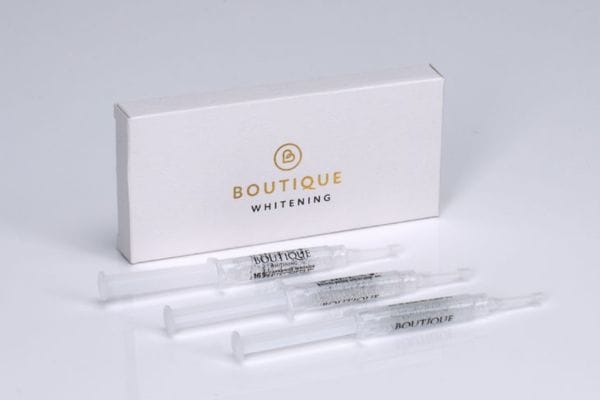
Teeth whitening trays are typically worn for 2-3 hours a day every evening until the desired colour change is achieved.
Treatment usually lasts two to three weeks, although you may start to notice results within the first few days. Some practices also offer in-surgery whitening, where a higher concentration gel is applied during an appointment, sometimes activated with a special light. Whilst this produces faster initial results, home whitening often achieves superior long-term outcomes because the whitening agent has more contact time with your teeth.
Will teeth whitening make my teeth sensitive?
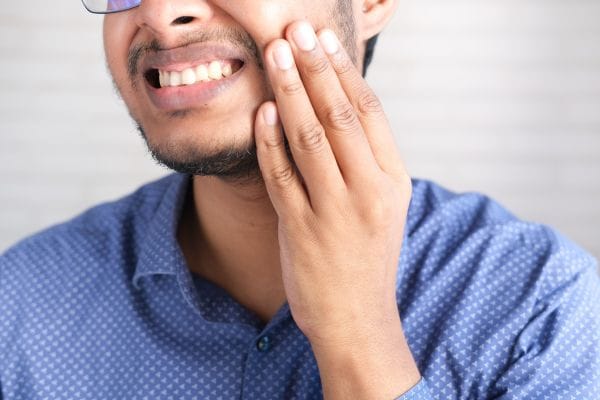
If there’s one thing that concerns patients about teeth whitening, it’s sensitivity. It’s an entirely valid concern, as temporary tooth sensitivity is the most common side effect, affecting a significant proportion of patients to some degree.
The sensitivity occurs because the whitening agent temporarily increases the permeability of your enamel, allowing stimuli to reach the nerve more easily. For most people, this causes brief twinges when consuming cold foods or drinks, or occasionally when breathing in cold air. The discomfort is usually mild and resolves entirely within a few days of completing treatment.
Your dentist can help manage sensitivity through several approaches: using desensitising toothpaste for a fortnight before beginning treatment, adjusting the treatment protocol (perhaps shorter wearing times or fewer consecutive days), providing professional-grade desensitising agents to use alongside the whitening gel, and, in persistent cases, pausing treatment briefly before resuming.
It’s worth noting that pre-existing sensitivity doesn’t necessarily preclude you from whitening, but it does require a more cautious approach and thorough discussion with your dentist beforehand.
How long does a professional teeth whitening treatment last?
One question we are commonly asked is: “How long will my whitening last?” The answer isn’t straightforward, as it largely depends on your habits and lifestyle after treatment.
Most patients find their teeth remain noticeably whiter for anywhere from six months to two years, though this varies considerably. The key factor is what you expose your teeth to. If you’re a heavy coffee drinker who enjoys red wine most evenings, your results will fade more quickly than someone who consumes these staining beverages infrequently.
This doesn’t mean you need to give up your favourite drinks entirely – life’s too short for that – but being mindful can help. Drinking staining beverages through a straw, rinsing your mouth with water afterwards, and maintaining excellent oral hygiene all help preserve your results. Some patients keep their custom trays and do occasional “top-up” treatments every six to twelve months using gel provided by their dentist, which helps maintain the initial results.
Interestingly, many patients find that investing in a professional teeth-whitening treatment motivates them to take better care of their teeth overall. There’s something about seeing your smile transformed that makes you more committed to twice-daily brushing, regular flossing, and keeping up with dental check-ups.
Who cannot have their teeth whitened?
Whilst teeth whitening is suitable for many people, it’s not appropriate for everyone. Whitening treatments should not be carried out on pregnant or breastfeeding women as a precaution, due to limited research on the effects of whitening agents during these periods.
Children and young teenagers shouldn’t undergo whitening, as their tooth structure is still developing. Most dentists recommend waiting until at least 18 years of age, once adult teeth are fully formed.
People with extensive dental restorations, particularly on visible front teeth, should carefully consider whether whitening is the right approach. Because whitening only affects natural tooth structure, you may end up with a mismatched smile that requires replacing existing crowns or veneers—a significant additional expense.
Those with severe tooth sensitivity, exposed tooth roots, or enamel defects may find whitening uncomfortable or inappropriate. Similarly, certain types of discolouration – particularly grey tones caused by some antibiotics – respond poorly to whitening and may require alternative cosmetic solutions, such as veneers.

How much does professional teeth whitening treatment cost?
Professional teeth whitening treatment represents a financial investment, with prices at Torrington Dental Practice typically starting from £447. We also offer a 30-minute Teeth Whitening Assessment Appointment for just £25, which is deducted from the cost of your whitening treatment if you choose to go ahead.
When considering whether it’s worth it, it helps to think about the cost per use rather than the upfront price. If whitening lasts you 18 months and you wear your smile every single day, the daily cost becomes negligible. Compare this to other beauty treatments – regular hair colouring, facial treatments, or cosmetic procedures – and professional whitening often represents excellent value.
More importantly, professional teeth whitening treatment provides safety, predictable results, and ongoing support if issues arise. The false economy of cheap online whitening kits becomes apparent when they fail to work, damage your teeth or gums, or waste your money with no discernible effect. The recent BBC investigation makes clear that bargain treatments can end up costing you far more in the long run – both financially and in terms of your oral health.
Many dental practices, such as Torrington Dental Practice, offer payment plans that spread the cost of treatment over several months, making professional whitening more accessible. It’s worth enquiring about options when discussing treatment.
Can I combine teeth whitening with other dental treatments?
Sometimes, patients discover that addressing their teeth colour reveals other aspects of their smile they’d like to improve. Whitening can be an excellent starting point for a broader smile transformation.
If you have minor chips, gaps, or slight misalignment alongside discolouration, your dentist might suggest combining whitening with other treatments. Composite bonding can reshape teeth and fill small gaps, all whilst matching your newly whitened shade. Clear aligners such as Invisalign can straighten mild to moderate misalignment in as few as several months.
The key is to complete any whitening before undertaking restorative work, as your dentist will then match new fillings, crowns, or veneers to your whitened shade rather than your original tooth colour.
How do I start the teeth whitening process?
If you’re seriously considering professional teeth whitening treatment this new year, the first step is simply booking a consultation. A thorough examination will determine whether you’re a suitable candidate, what results you might realistically achieve, and which whitening approach would work best for your circumstances.
Come prepared with questions. A good dentist will take time to explain the process, discuss your expectations, and ensure you feel completely comfortable before proceeding. Your dentist should never make you feel pressured or rushed. If they do, walk away. Cosmetic treatments should never be pushed upon you.
Request before-and-after photographs of previous patients (ensuring they’re genuine patient results from that practice, not stock images), request information about the specific products they use, clarify exactly what’s included in the quoted price, and understand what aftercare support is provided.
Most importantly, verify that you’re dealing with a registered dental professional. You can check the General Dental Council register online to confirm your dentist’s credentials. Never accept teeth whitening treatment from anyone who isn’t properly qualified and registered – regardless of how professional they may appear or how competitive their pricing might be.

Does a whiter smile really boost confidence?
Whilst the physical transformation of whiter teeth is what draws most people to teeth whitening, many patients report that the psychological impact exceeds their expectations. There’s substantial evidence that people who feel confident about their smile tend to smile more frequently, which in turn affects how others perceive and interact with them.
Smiling releases endorphins and can reduce stress hormones. When you’re not self-conscious about how your teeth look, you’re much more likely to smile freely in social situations, photographs, and professional settings. This can have an effect on both your personal and professional relationships, making you appear more approachable, confident, and trustworthy.
For some people, addressing long-standing dissatisfaction with their tooth colour represents a meaningful act of self-care – investing in something that’s bothered them for years rather than simply accepting it. There’s real value in feeling good about your appearance, and if whiter teeth contribute to that, it’s a worthwhile consideration.
Is this the year to transform your smile?
As we settle into the new year, the “new year, new smile” concept needn’t be just another abandoned resolution. Unlike promising to exercise daily or learn a new language, teeth whitening is a discrete, achievable goal with tangible results that last.
The key is approaching it thoughtfully rather than impulsively. Professional teeth whitening treatment offers a safe, effective way to enhance your smile when performed by a qualified dental professional. It’s not a magic wand that will solve all your problems or transform your life, but it might just give you that extra confidence boost to smile more freely and start the year feeling genuinely positive about your appearance.
The recent revelations about illegal teeth whitening should serve as a stark reminder. Choose safety and professional treatment over a cheap but potentially dangerous and damaging option.
If you’ve been putting off addressing your smile concerns, this is the year to stop thinking about it and actually take action. After all, a year from now, you’ll wish you’d started today.
Transform Your Smile Today

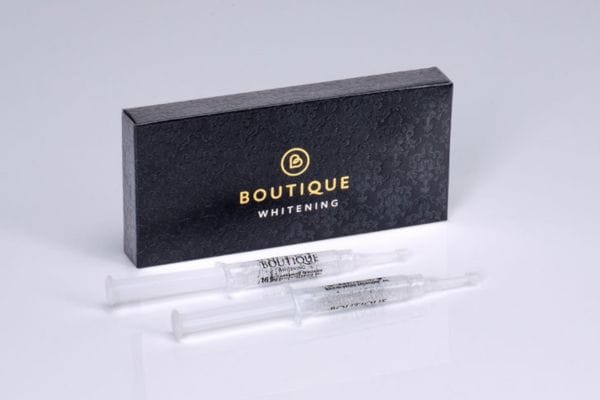
Our professional teeth whitening treatment is powered by Boutique Whitening — one of the UK’s leading professional systems, known for producing beautifully natural results.
Whether you’re looking to refresh your smile for a special occasion or simply boost your confidence for the year ahead, Boutique Whitening offers a safe, effective, and dentist-approved solution.
Book your consultation below:
Book your consultation now
Book your professional teeth whitening treatment consultation now and discover the possibilities of a smile transformation tailored just for you. Our expert team is here to guide you through every step of the process, ensuring you achieve the results you desire. Don’t wait any longer to invest in yourself and your smile.