

A Quick 7-Point Self-Check for Mouth Cancer Awareness Month
November is Mouth Cancer Awareness Month in the UK, an annual campaign focused on raising awareness about this serious but often overlooked disease. Mouth cancer can develop in various areas of the mouth, face, and neck, and early detection is crucial for successful treatment. By doing a quick, 7-point self-check each month, you can stay vigilant about your oral health and potentially detect symptoms early.
Why Mouth Cancer Awareness Matters
Mouth cancer affects thousands in the UK each year, and the number is growing. It can develop in the lips, gums, cheeks, tongue, and other parts of the mouth, as well as the face and neck. Many early signs are easy to overlook, which is why a regular self-check can make a significant difference.
The 7-Point Self-Check Guide for Mouth Cancer
Set aside a few minutes each month with a mirror and good lighting. Follow the steps below to check each area for changes. You may also download the self checklist for yourself and your friends and family. It could help save a life!
- Face
- What to Do: Look closely at your face, checking for any unusual changes.
- What to Look For: Look for swelling, lumps, or spots that weren’t there before. Compare both sides of your face for symmetry and feel for any tenderness or lumps under the skin. Any changes that persist should be checked by a healthcare provider.
2. Neck
- What to Do: Use your fingers to feel along your neck, especially around your jawline and under your ears.
- What to Look For: Notice any lumps, tenderness, or swelling. If you feel anything unusual, especially if it lasts more than two weeks, consult your GP or dentist.
- Lips
- What to Do: Examine both the outer and inner surfaces of your lips.
- What to Look For: Check for any lumps, sores, or unusual red or white patches that don’t heal within two weeks. Persistent numbness or tingling is also worth noting.
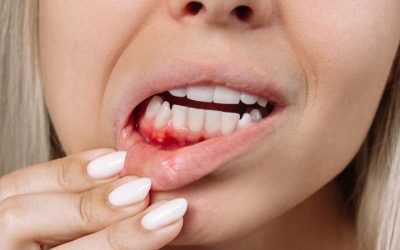
- Gums
- What to Do: Pull back your lips gently to see your gums.
- What to Look For: Look for any swelling, discolouration, or spots that bleed easily or feel tender. Healthy gums are typically firm and pink, so any significant changes are worth a closer look.
- Cheeks
- What to Do: Pull each cheek out to examine the inside surfaces.
- What to Look For: Check for red or white patches, lumps, or tender areas that don’t heal. Any persistent soreness inside the cheek could indicate a need for a professional opinion.

6. Tongue
- What to Do: Stick out your tongue and check all sides—the top, sides, and underside.
- What to Look For: Look for unusual patches, sores, or lumps. Also, check for persistent pain, numbness, or difficulty moving your tongue. Pain or discolouration lasting more than a couple of weeks warrants a closer look.
7. Floor and roof of mouth
- What to Do: With your head tilted back, examine the roof of your mouth, and then lift your tongue to check the floor of your mouth.
- What to Look For: Look for red or white patches, lumps, or sores. Any unusual bumps, swelling, or prolonged tenderness on the roof or floor of the mouth may be cause for a check-up
When to Seek Medical Advice
If any of these signs persist for two weeks or more, it’s essential to consult a healthcare professional. Dentists and GPs are well-equipped to detect early signs of mouth cancer and can provide further guidance on next steps.
Spread the Word about mouth cancer awareness
Mouth Cancer Awareness Month is an opportunity to remind everyone about the importance of early detection. Share this 7-point self-check with family, friends, and colleagues to encourage others to take charge of their health.
Take just a few minutes each month to check in on your health—you could catch something early, protect your wellbeing, and even save a life.
Related Articles
Bleeding Gums: How To Prevent & Treat Gum Disease
Don’t Ignore Bleeding Gums: How to Prevent and Treat Gum Disease Bleeding gums are often the first sign of gum disease, one of the most common health conditions in the world. In its early stages, it often goes unnoticed, but if left untreated, it can have a big impact...

The Best and Worst Foods for Dental Health This Christmas
Discover the best and worst foods for dental health this Christmas. Torrington Dental Practice shares festive tips to protect your smile and spread kindness.

How Mouth Cancer Screening Could Save Your Life 2025
Mouth Cancer Action Month 2025: Learn about early detection through professional dental examinations at Tolrrington Dental Practice, which can help save lives

Dental Hygiene Tips: Protect Your Smile with Expert Care
Celebrate National Dental Hygiene Month with Torrington Dental Practice. Expert tips, hygiene services, Invisalign & more to keep your smile healthy.

How to brush your teeth effectively – Our Top Tips
Learn how to brush your teeth properly with expert tips on technique, toothpaste, and care for implants and restorations.

Sustainable Dental Care Made Simple – Read Our Top Tips
Discover simple sustainable dental care tips with Torrington Dental Practice. Switch to eco-friendly products and protect your smile and the planet.