

WHAT’S FLOSSUARY ALL ABOUT?
During the month of ‘Flossuary’ (February), we are encouraging everyone to try dental flossing (cleaning in between their teeth) once a day for 28 consecutive days.
We believe that after 28 days of dental flossing, you will feel and see a difference in your gum health.
How does dental flossing help?
HELPS PREVENT TOOTH LOSS
Plaque collects between the teeth where toothbrushes can’t reach. If not cleaned away, the millions of bacteria in plaque can cause the gum to become inflamed (gingivitis). Sometimes, you notice bleeding when your gums are inflamed, often when you brush. In some people, the inflammation continues and begins to destroy the bone that holds the teeth in. Deep pockets develop around the teeth. These pockets collect more plaque, and the process continues (periodontitis). If left, teeth may become loose and/or require extraction.
-
REDUCES YOUR RISK OF HEART DISEASE AND STROKE
Research has shown that where periodontal disease is present, bacteria can enter the bloodstream and cause changes in blood vessels in other parts of the body. This leads to an increased risk of heart disease and stroke.
Research is ongoing, but links have also been made between periodontal disease and Alzheimer’s, rheumatoid arthritis and chronic
kidney disease.
-
REDUCES RISK OF DIABETES
The presence of gum disease raises blood glucose levels, increasing the risk of developing diabetes. This also means that already
diagnosed diabetics with periodontitis can find it harder to control their blood sugars. This increases their risk of complications in the heart and kidneys. Diabetics are also more likely to develop periodontitis, so these two diseases exacerbate each other.
Click this link to find out more.

Related Articles
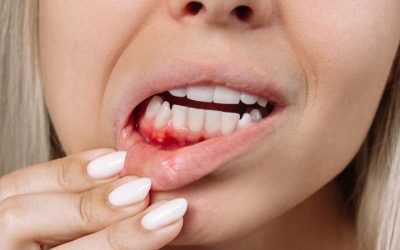
Bleeding Gums: How To Prevent & Treat Gum Disease
Don’t Ignore Bleeding Gums: How to Prevent and Treat Gum Disease Bleeding gums are often the first sign of gum disease, one of the most common health conditions in the world. In its early stages, it often goes unnoticed, but if left untreated, it can have a big impact...

The Best and Worst Foods for Dental Health This Christmas
Discover the best and worst foods for dental health this Christmas. Torrington Dental Practice shares festive tips to protect your smile and spread kindness.

How Mouth Cancer Screening Could Save Your Life 2025
Mouth Cancer Action Month 2025: Learn about early detection through professional dental examinations at Tolrrington Dental Practice, which can help save lives

Dental Hygiene Tips: Protect Your Smile with Expert Care
Celebrate National Dental Hygiene Month with Torrington Dental Practice. Expert tips, hygiene services, Invisalign & more to keep your smile healthy.

How to brush your teeth effectively – Our Top Tips
Learn how to brush your teeth properly with expert tips on technique, toothpaste, and care for implants and restorations.

Sustainable Dental Care Made Simple – Read Our Top Tips
Discover simple sustainable dental care tips with Torrington Dental Practice. Switch to eco-friendly products and protect your smile and the planet.