
How Regular Dental Examinations Can Help Detect Mouth Cancer
November is Mouth Cancer Action Month, and it’s one of those health campaigns that deserves more attention than it gets. At our practice in Torrington, we witness firsthand how early detection can significantly improve outcomes for our patients.
Did you know mouth cancer is one of the few cancers that can actually be spotted during a routine dental check-up? No special scans, no blood tests – just a thorough examination by someone who knows what to look for.
When Time Makes All the Difference
Detecting mouth cancer early can significantly improve survival rates. If early signs are missed, treatment becomes far more complex.
What makes dental examinations particularly valuable is that we see you on a regular basis. Over time, we build up a detailed picture of what’s normal for your mouth, which puts us in an ideal position to notice when something changes.
Your GP might see inside your mouth for thirty seconds during a general examination. We spend considerably longer, with better lighting, and we’re specifically trained to identify oral abnormalities.
Mouth Cancer Warning Signs That Shouldn’t Be Ignored
Last year, we shared a mouth cancer self-examination guide, and whilst checking yourself remains important, some symptoms really need professional eyes on them. If you’ve got any of these persisting for more than a fortnight, don’t wait:
- Lumps or bumps that have appeared in your mouth, around your jaw, or in your neck. They might not hurt – early cancerous changes often don’t – but they weren’t there before.
- Mouth ulcers that refuse to heal. We all experience the occasional ulcer, which usually resolves within a week or two. But one that lingers? That’s different.
- Patches that look distinctly red or white against your normal pink oral tissues. In dental terminology, these conditions are referred to as erythroplakia and leukoplakia, respectively, and they can signal cellular changes occurring beneath the surface.
- Functional problems such as difficulty swallowing, persistent pain when chewing, or your tongue not moving as freely as it should. These often indicate something is physically interfering with normal oral mechanics.
- Unexplained numbness, particularly in your lips or tongue. Sometimes this is the first sign that nerves are being affected.
- Voice changes that don’t resolve, especially persistent hoarseness. This can suggest involvement of structures beyond the mouth itself.
The Importance Of Regular Dental Appointments
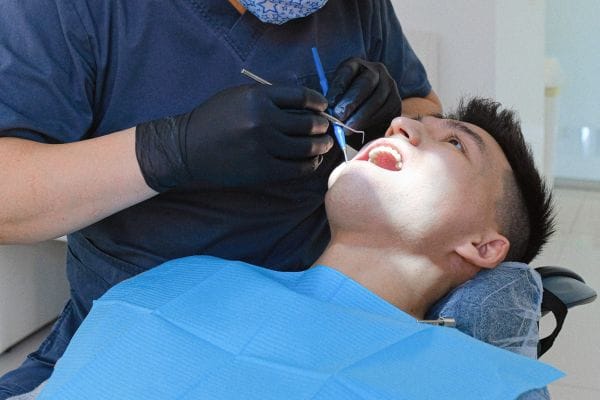
When you come in for your regular check-up, mouth cancer screening isn’t an add-on service – it’s part of your routine check-up. We examine areas that you can’t see or feel properly yourself, including the very back of your tongue, underneath it, and your soft palate.
We document everything in your notes at each visit, which allows us to spot gradual changes that might otherwise go unnoticed. By building up a detailed picture of your oral health over time, we can then identify patterns and changes that might be overlooked in a one-time examination.

National Flossing Day 2025 and Mouth Cancer
On November 28th, it’s National Flossing Day, and there’s a meaningful connection to mouth cancer prevention here. Proper oral hygiene isn’t just about preventing cavities and gum disease; it creates conditions that make abnormalities easier to spot.
Regular flossing helps remove the bacterial buildup that can lead to chronic inflammation. Long-term inflammation and irritation are recognised risk factors for various oral health problems, including some that can progress to more serious conditions.
There’s another benefit too. When you floss regularly, you become intimately familiar with how your gums and oral tissues usually feel. This familiarity means you’re more likely to notice when something changes.
Supporting Head and Neck Cancer Patients in Somerset
At Torrington Dental Practice, Rhys Gabe works as an Associate Specialist in Restorative Dentistry with Somerset Foundation Trust, caring for patients affected by head and neck cancer.
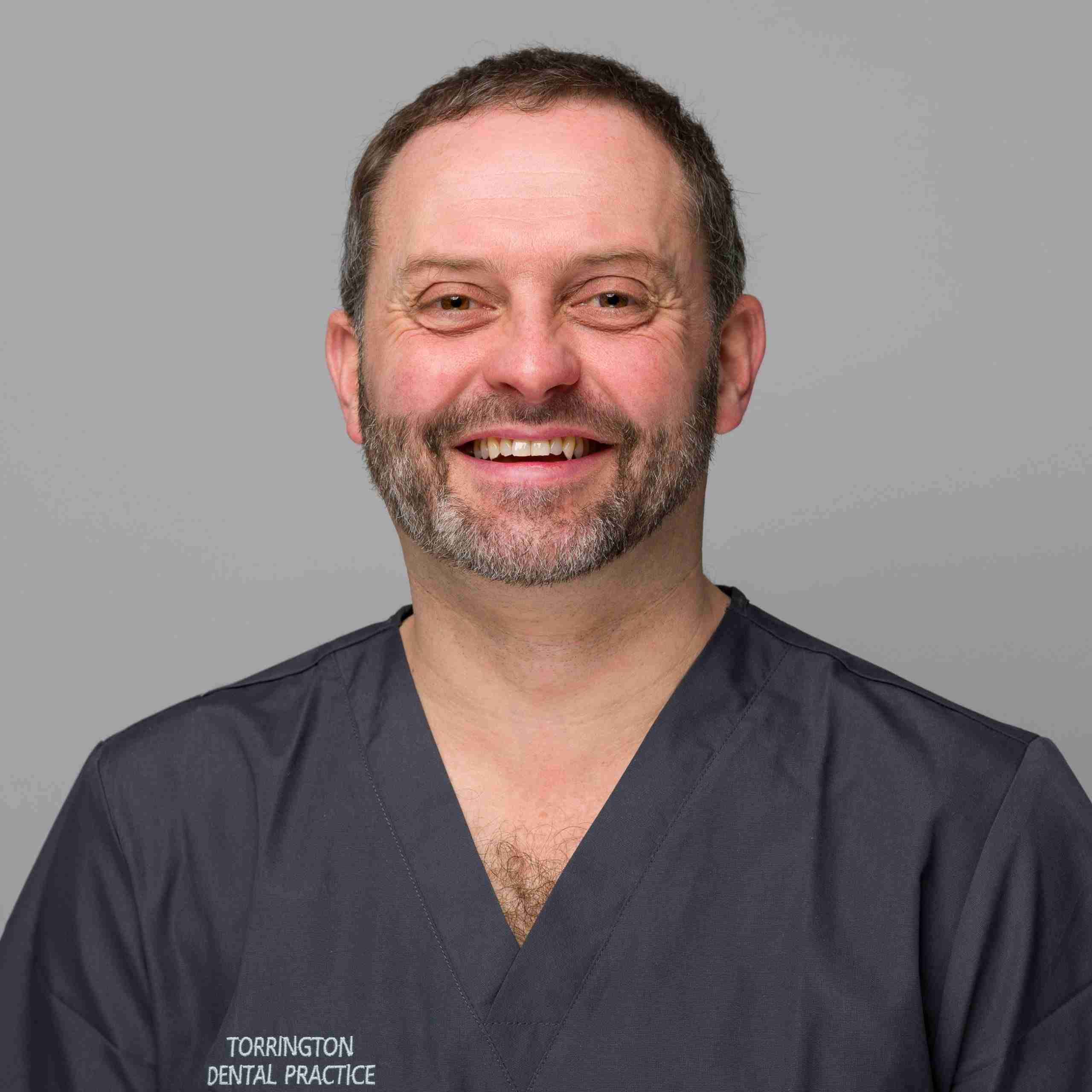
Rhys supports people from across the South West who are referred to the consultant-led service for head and neck cancer treatment and restorative rehabilitation.
This specialist service helps patients restore their appearance and function after cancer treatment, improving comfort, confidence, and quality of life.
Rhys feels privileged to be part of the team providing this care and is passionate about helping patients regain their ability to eat, speak, and smile with confidence.
Introducing Sammy Holt to our dental implant team
We’re excited to have Sammy Holt leading our oral surgery and now joining our implant team. His background is impressive: he holds a BDS (Hons) from Cardiff, followed by an MSc in Oral Surgery from the Peninsula Dental School at Plymouth University. He has also recently achieved a Diploma in Implant Dentistry from the Cambridge Academy of Dental Implantology (DipImpDent (CADI)), further enhancing his expertise in the field.

What really sets Sammy apart is his combination of advanced surgical training and genuine empathy for anxious patients. His additional qualification in conscious sedation means he can provide comfortable experiences for even the most nervous patients.
Sammy’s also a clinical supervisor at Plymouth University, teaching undergraduate dental students. This keeps him current with the latest techniques whilst contributing to training the next generation of dentists – something we desperately need more of in this area.
Assess Your Oral Health
This Mouth Cancer Action Month, we’re encouraging everyone to take a moment to assess their oral health. If it’s been a while since your last check-up, now’s the perfect time to schedule one.
We understand dental anxiety and how it can be overwhelming. That’s why we have team members like Sammy, whose sedation training ensures comfortable treatment experiences. Early detection genuinely saves lives, and no concern is too minor for professional evaluation.
Next Steps
Mouth Cancer Action Month reminds us that routine dental care offers the best chance for early detection of mouth cancer.
The combination of regular professional screenings, good daily oral hygiene, and awareness of warning signs creates the most effective defence against oral cancer. Our team provides both preventive dentistry care and advanced treatment options when needed.
Make this Mouth Cancer Action Month the starting point for better oral health protection.
Read related articles

Mouth Cancer Awareness Month 2024 – How To Do A Self-Check
Mouth Cancer Awareness Month is an opportunity to remind everyone about the importance of early detection. View and download our checklist

Travelling abroad for dental implants
Are you thinking of travelling abroad for dental implants? Before you book your flight, take a look at the risks and avoid making an expensive mistake.

How to protect your children’s teeth
Did you know that a safe and painless treatment is available free of charge on the NHS that can help protect your children’s teeth? Read on and find out more.